
The Psychology Behind Ingredient Shots: Why Consumers Trust What They Can See

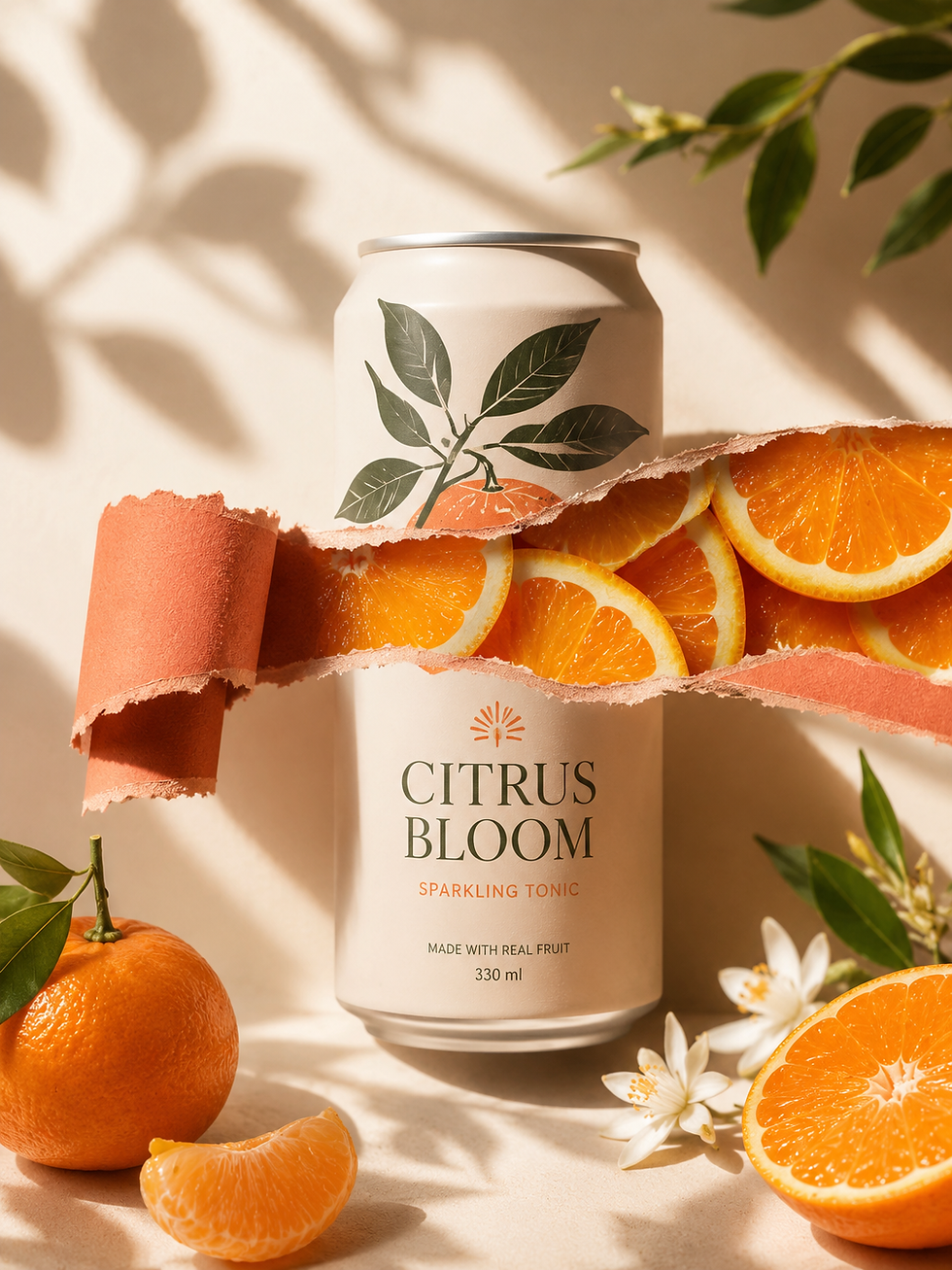
In product photography, ingredient shots have become one of the most common visual strategies used by wellness, beauty, food, and supplement brands.
The reason is simple:
People use visual cues to make purchase decisions long before they read product descriptions, ingredient panels, or claims.
The psychology behind ingredient photography is rooted in trust, transparency, and expectation formation.
When executed correctly, ingredient imagery helps consumers quickly answer a critical question:
"What's actually inside this product?"
Why Ingredient Shots Work
1. Consumers Make Fast Judgments Using Visual Shortcuts
Consumer behavior research consistently shows that shoppers rely heavily on visual information when evaluating products.
Studies on food packaging found that images of ingredients on the front of packaging influence expectations about quality, taste, healthfulness, and overall product appeal. Consumers often form impressions before reading detailed ingredient information.
This is especially important in crowded marketplaces where attention spans are measured in seconds.
An ingredient image can communicate:
Naturalness
Freshness
Purity
Functionality
Flavor expectations
Product quality
far faster than text alone.
2. Transparency Builds Trust
One of the strongest psychological drivers behind ingredient photography is transparency.
Research on transparent packaging found that consumers were more likely to purchase products when they could see the product itself rather than relying solely on marketing imagery.
Products presented with transparency were perceived as:
More trustworthy
Higher quality
Fresher
More attractive
These perceptions directly increased willingness to purchase.
Ingredient photography works similarly.
When brands openly showcase ingredients such as botanicals, fruits, herbs, oils, or active compounds, consumers often interpret that visibility as a signal that the brand has nothing to hide.
In psychology, this is known as a transparency heuristic—people tend to trust products and brands that appear open and visible.
3. Ingredient Images Shape Expectations
Research from Wageningen University found that ingredient imagery significantly influences what consumers expect a product to taste like or contain.
When ingredient information is not highly visible in text form, consumers rely more heavily on ingredient images to form expectations.
This means an ingredient photograph is not simply decorative.
It actively affects how consumers perceive:
Product effectiveness
Flavor
Freshness
Quality
Authenticity
For wellness and beauty brands, this extends beyond taste and can influence expectations around performance and benefits.

4. "Natural" Signals Matter
Consumers increasingly associate shorter ingredient lists and recognizable ingredients with naturalness.
Research published through the American Marketing Association highlighted a real-world advertising test where adding the phrase: "Just 7 things!" to a food advertisement increased click-through rates by 44.17% compared with an otherwise identical ad.
Another experiment found that emphasizing "just a few ingredients" increased click-through rates by 13.36%.
The psychological mechanism is important:
Consumers often interpret fewer recognizable ingredients as:
Less processed
More natural
More trustworthy
Ingredient photography reinforces that same perception visually.
What Does This Mean for Conversion Rates?
This is where many marketing articles become misleading.
There is currently no universal study proving that ingredient photography alone increases conversion rates by a specific percentage across all industries.
Any article claiming:
"Ingredient shots increase conversions by 30%"
"Ingredient photos boost sales by 42%"
"Ingredient imagery doubles revenue"
without citing a controlled study should be treated cautiously.
What research does show is that ingredient visibility can improve factors strongly associated with conversion:
Increased Purchase Intent
Consumers exposed to transparent packaging reported greater willingness to purchase compared with opaque alternatives.
Higher Trust
Transparent product presentation increases perceived trustworthiness.
Greater Attention
Eye-tracking studies show consumers pay attention to ingredient-related information when it is presented prominently.
Better Click-Through Performance
Messaging that highlights a small number of ingredients produced measurable improvements in ad click-through rates in real-world testing.
While these metrics are not direct sales conversions, they influence the stages that occur before a purchase is made.
Why Ingredient Shots Perform Particularly Well for Wellness and Beauty Brands
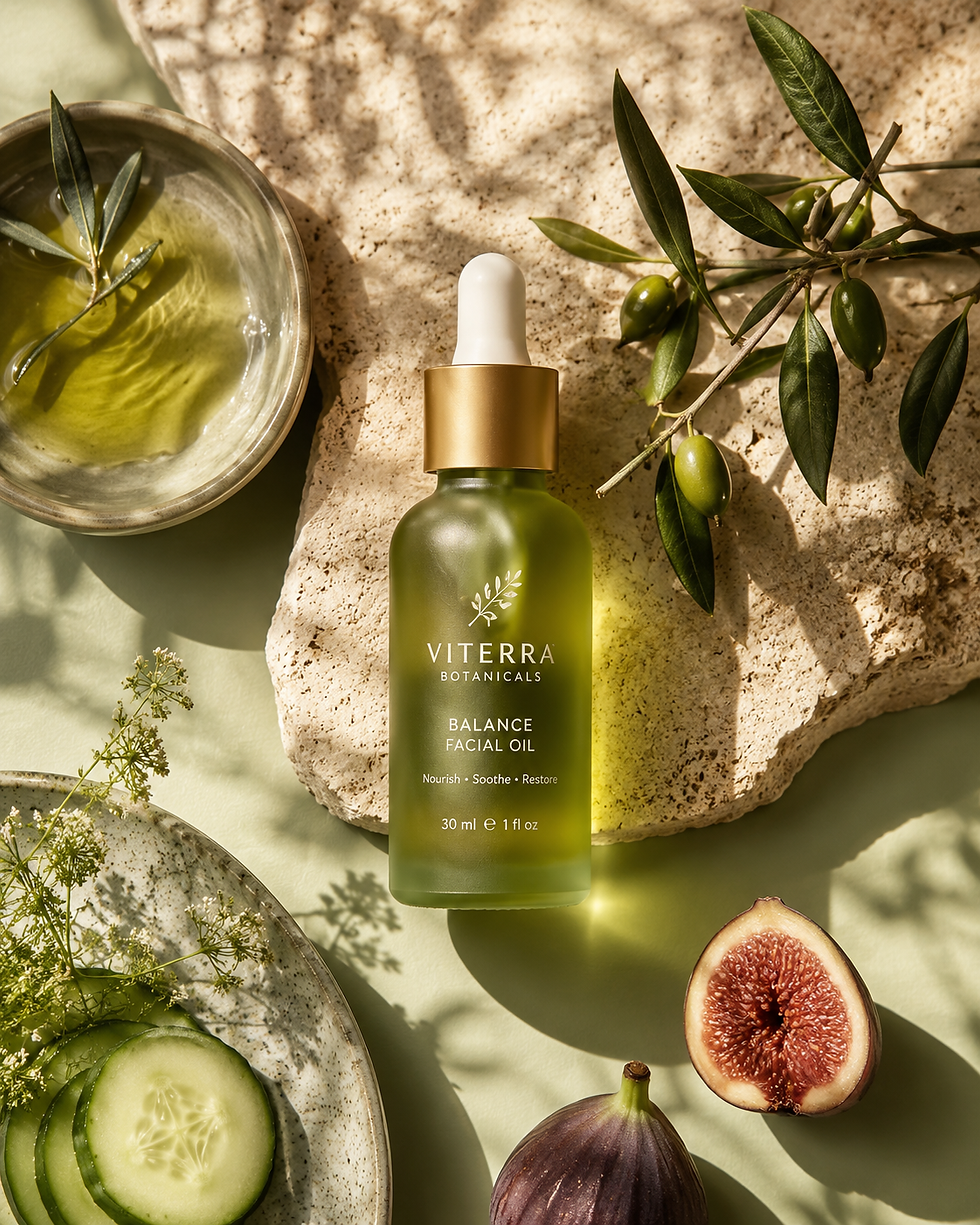
Ingredient photography aligns with several consumer motivations common in wellness, skincare, supplements, and natural beauty markets:
Transparency
Consumers increasingly want to know exactly what they are putting into or onto their bodies.
Education
Ingredient visuals help explain benefits quickly.
Naturalness
Botanicals, fruits, herbs, and raw materials signal authenticity.
Premium Perception
High-end ingredient imagery often communicates craftsmanship and quality.
Recent consumer research also shows growing attention to ingredients and label transparency among shoppers.
Best Practices for Ingredient Photography
The most effective ingredient shots are not cluttered.
Instead, they:
Showcase only key ingredients
Use ingredients that are actually present in the product
Match the brand's visual identity
Support the product rather than overpower it
Maintain realism and authenticity
Overstating ingredients visually can create perceived deception when the imagery does not match the actual formulation. Research has shown that mismatches between ingredient imagery and ingredient reality can negatively affect trust and purchase intentions.
Final Takeaway
Ingredient shots work because they reduce uncertainty.
Consumers use visual cues to judge quality, trustworthiness, freshness, naturalness, and product effectiveness long before they read detailed information.
The strongest evidence does not suggest that ingredient photography magically increases sales by a fixed percentage.
Instead, research shows that ingredient visibility and transparency improve the psychological drivers that lead to purchases:
Trust
Attention
Perceived quality
Naturalness
Purchase intent
For brands in wellness, beauty, supplements, and food, ingredient photography is less about decoration and more about helping consumers feel confident in what they are buying.
When consumers can see the story behind the product, they are more likely to believe it.


Comments